
1. Structure of a Nail Polish Brush
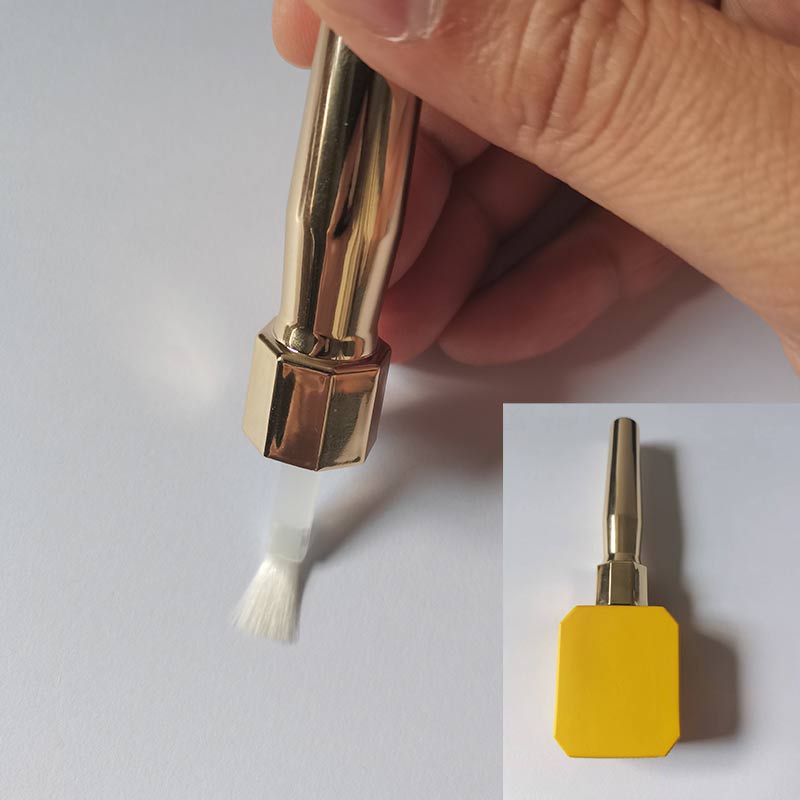
A typical nail polish brush is composed of two main parts:
-
Handle/Stem – the plastic connector fixed inside the cap.
-
Brush Head (Bristles) – hundreds of ultra-fine filaments (0.05–0.1mm) planted together, designed to deliver smooth polish application.
To ensure even coverage, bristles must feature:
-
Excellent straightness
-
Consistent diameter
-
Elastic recovery and “snap”
-
Proper softness and hardness balance
2. How Brush Size and Gaps Ensure Product Quality
Brush Size & Bottle Matching
-
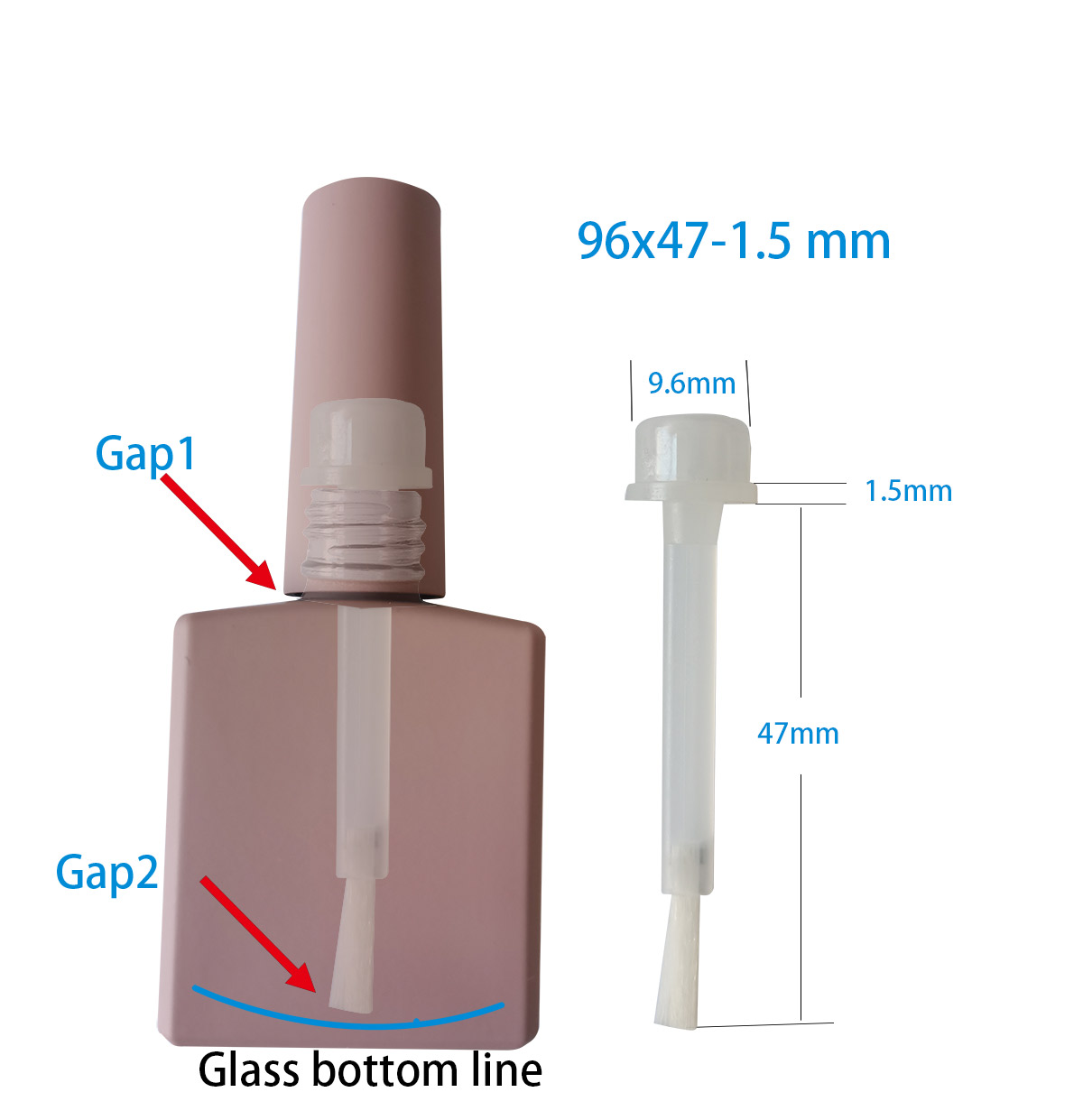
Brush size specification (e.g., 96×47–1.5, 9.6 mm) is designed to fit different screw necks.
-
13 mm screw neck → matches with 9.6 mm brush plug.
-
15 mm screw neck → matches with 11 mm brush plug.
Gap 1: Bottle Neck & Cap
-
Located between the glass bottle and cap.
-
If no gap exists, the cap cannot be tightened properly → leading to poor sealing.
Gap 2: Bottle Bottom & Brush End
-
Located between the glass bottom and brush tip.
-
If no gap exists, the brush tip will touch the bottom → causing bending or deformation.
Our Guarantee
Our factory carefully calculates these dimensions to:
-
Ensure tight sealing of every bottle.
-
Maintain brush alignment without deformation.
-
Deliver stable, high-quality packaging for your nail polish products.
3.Materials
-
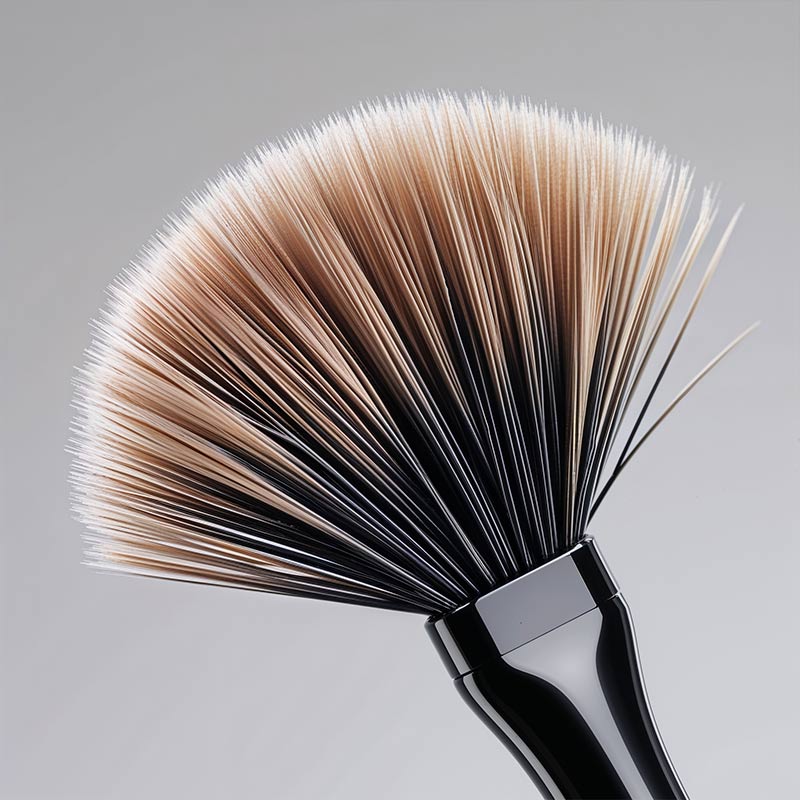
Nylon (e.g., Nylon 612, DuPont Tynex®) – most common, with elasticity, solvent resistance, and durability.
-
Polyester (PBT) – improved resistance to chemical corrosion, softer feel.
-
Plastic Stem (PP/PE/PETG) – lightweight and resistant to acetates and nitrocellulose in nail polish.
-
Solvent-Resistant Glue – secures the bristles firmly without dissolving in polish.
4. Professional Brush Styles Showcase – Customizable Options
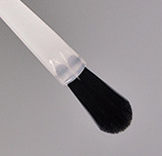
KB-001
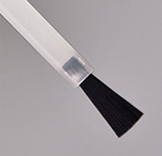
General Flat Brush
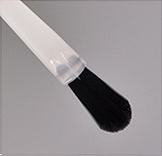
KB-002
General Arc Brush
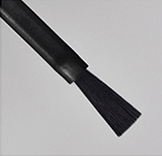
KB-003
Double-Head Wide Arc Brush
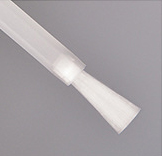
KB-004
Black Handle Flat Brush
KB-005
General White Flat Brush
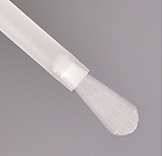
KB-006
General White Arc Brush
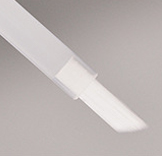
KB-007
Handmade White Angled Brush
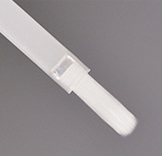
KB-008
Handmade White Arc Brush
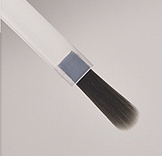
KB-009
Handmade Gray Arc Brush
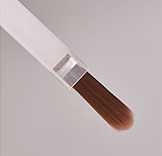
KB-010
Handmade Brown Arc Brush
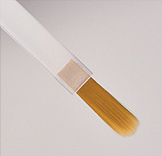
KB-011
Handmade Yellow Arc Brush
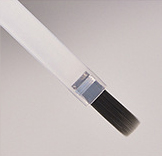
KB-012
Handmade Gray Flat Brush
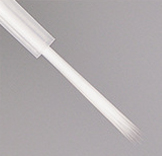
KB-013
White Striping Brush
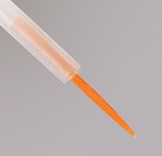
KB-014
Yellow Eyelash Brush
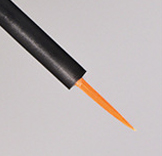
KB-015
Black Handle Yellow Brush
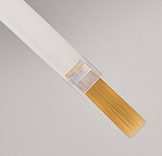
KB-016
Handmade Yellow Flat Brush
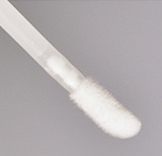
KB-017
White Lip Gloss Brush
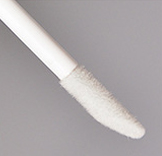
KB-018
White Handle Lip Gloss Brush
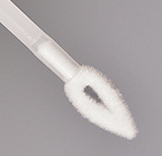
KB-019
White Heart-Shaped Lip Gloss Brush
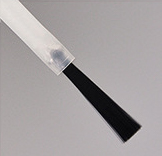
KB-020
Round Handle Long Flat Brush
5.More tips about brush
5.1 Hard vs. Soft Brushes
Brushes can be divided into:
-
Soft Bristles – flexible, suitable for wide, smooth coverage; ideal for beginners.
-
Hard Bristles – offer more control and precision; preferred for professional use or detailed nail art.
5.2 The “Waking” of Brushes
Before use, brushes should be “woken up,” meaning thoroughly soaked in nail polish liquid.
-
If the brush is always immersed inside the bottle, it naturally stays conditioned.
-
If not properly soaked, bristles may bubble, split, or lose smoothness during application.
6. Performance in Application
A good nail polish brush should:
-
Hold polish evenly without dripping
-
Spread polish smoothly without bubbles
-
Maintain bristle alignment after multiple uses
-
Balance softness and stiffness for both beginners and professionals